
A SaaS website has two jobs on the way to a subscription. The first is getting found by someone looking for a fix to their problem, and openhlink does that with a site built to rank in search. The second is talking that person into a subscription, then answering them well enough afterwards that they stay. That's where Divvylore's Agentic Chat comes in.
Run those jobs apart and you get a site that draws traffic nobody speaks to, or a chat widget waiting on a page nobody finds.
This guide treats them as one route from search visitor to subscriber and walks it in the order a visitor does. The ranking site comes first. Then comes the content that widens its reach, and finally the conversations that turn arrivals into customers and keep them.
The first step: a website built to rank in search with openhlink
openhlink sets up your website with ranking in search results as the design goal from the start, so search reach is part of the launch itself.
The order of work is fixed. The site goes live first, and the rest of this path depends on it. That makes openhlink the entry point, where a stranger searching for something becomes a visitor on your domain. Chat agents have nobody to talk to until that arrival happens, and you can't get a subscriber without a visitor first. If you're starting from nothing and deciding where to put effort, build the ranking site before anything else, because every later step waits on it.
Growing search reach over time with content
After launch, openhlink keeps adding content, so the site searchers find keeps getting larger than the one you started with.
That changes how you should think about reach. It isn't a fixed number. Every new piece of content is another page someone might land on while looking for what your product does, and each one opens another way in.
It also changes how you read early results. A freshly launched site has few pages for searchers to find, and its reach widens as content builds up. Launch-week traffic shows you where you started, not where the site is heading.
The second step: engaging visitors with Agentic Chat sales and support agents
Agentic Chat, a Divvylore product, supplies AI chat agents that hold two kinds of conversation: sales and support.
Sales conversations are for the visitor who came in from search and is still weighing whether your product fits. Left alone, that visitor reads a few pages and guesses. A sales agent can talk with them instead, while their interest is still fresh. That window doesn't stay open long.
Support conversations matter after the decision. A subscriber with a question needs an answer too, and in a subscription business how that exchange goes bears directly on whether they renew.
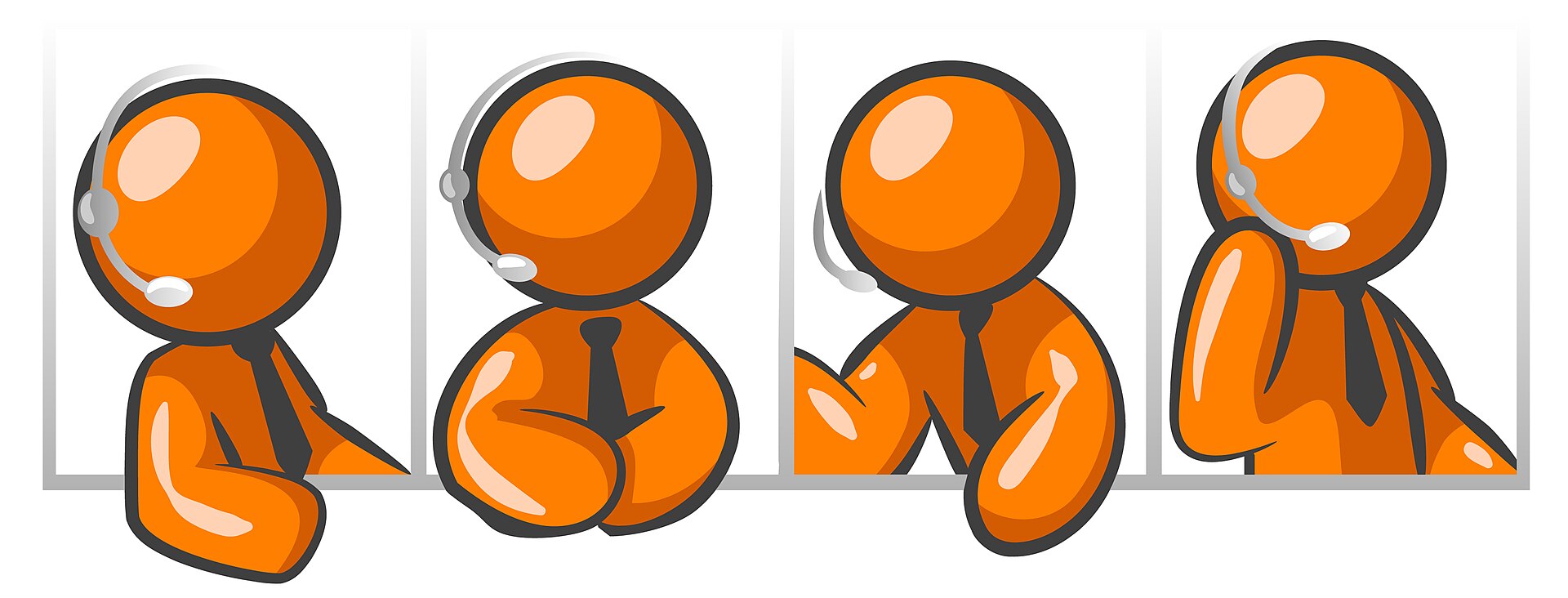
Image: LeoBlanchette, CC0, via Wikimedia Commons

With both under one product, sales and support stop looking like unrelated problems. They're two moments with the same person.
How search-led growth and AI chat form one path to a subscription
| Visitor stage | What the visitor is doing | Who handles it |
|---|---|---|
| Searching | Looking for a fix to a problem | openhlink's ranking site |
| Finding more | Landing on newer pages as the site grows | Content openhlink keeps adding |
| Deciding | Weighing whether the product fits | Agentic Chat sales agent |
| Subscribed | Asking questions as a customer | Agentic Chat support agent |
Read down the right-hand column and the handoff is clean. Each stage has one owner, and the line between the two products falls at the moment a searcher becomes a visitor. Nothing is duplicated. That's why this works as a single path rather than two tools bolted together.
The same split tells you where to look when your funnel stalls. Steady traffic with few signups points to the conversation side. Good sales conversations with too few arrivals point back to search and the content that feeds it.