
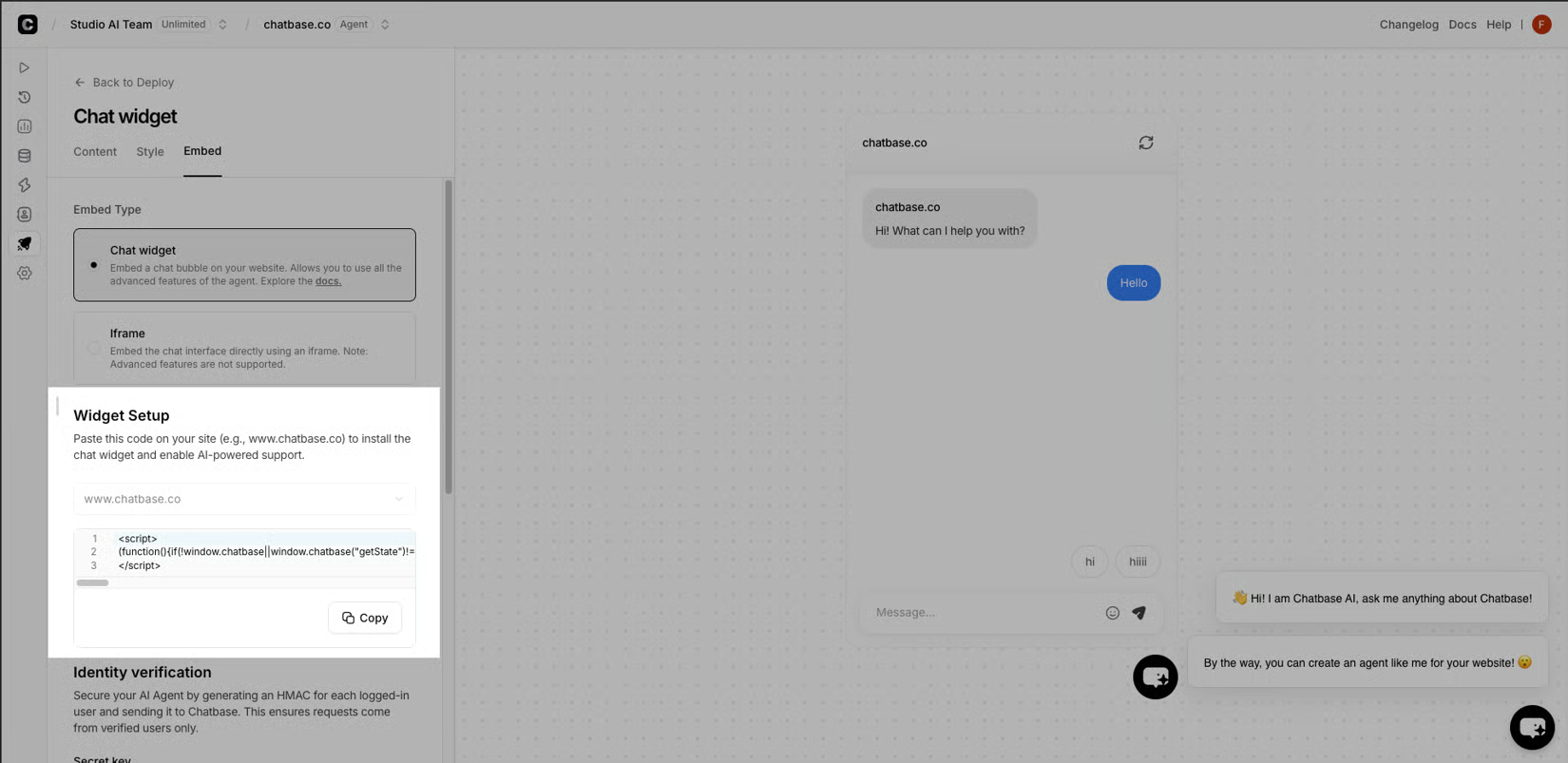
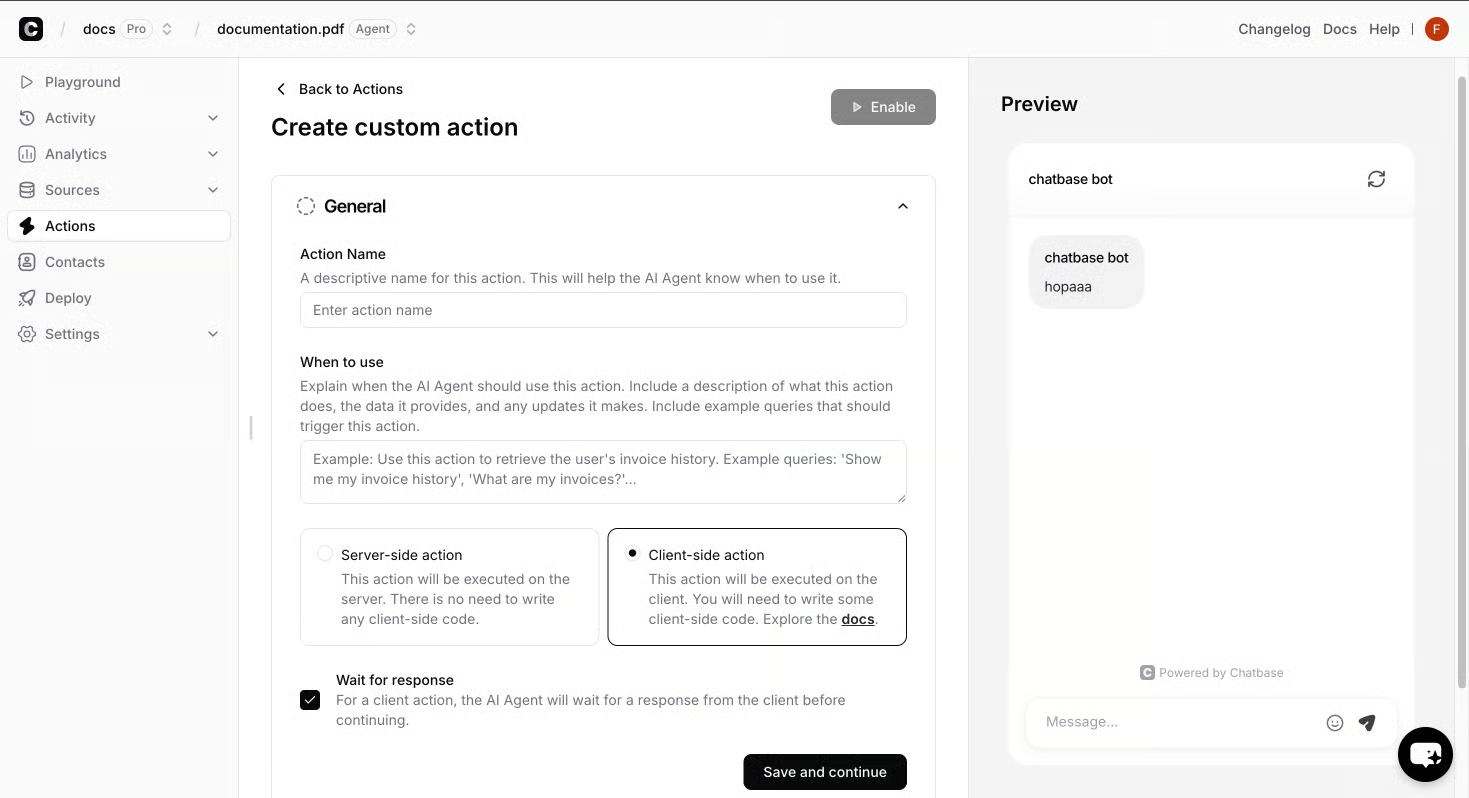
I still remember the day I decided to implement an AI agent on my website. It was a game-changer for my business, allowing me to provide 24/7 support to my customers and resolve complex queries with ease. To launch an AI agent, it's essential to connect your data sources, define the agent's role, and set guardrails. This can be achieved through platforms like Chatbase, which provides built-in AI actions, custom actions, and analytics to measure usage and track sentiment. With Chatbase, you can create an AI agent that meets customers at every stage of their journey, across chat, email, and voice. For example, AI agents for e-commerce can help shoppers with sizing, shipping, and returns, keeping them moving toward checkout.
- Automated customer support
- Personalized product recommendations
- Seamless integration with existing systems By leveraging AI technology, companies can provide 24/7 support, resolve complex queries, and increase revenue. For more information on implementing an AI agent, see What an AI Agent on a Website Does, How to Train It, and What to Watch in Week One.
Overcoming Common Challenges in AI Agent Implementation
When implementing an AI agent on a website, several challenges may arise. One common issue is ensuring the agent's responses are accurate and helpful. To overcome this, it's essential to carefully train the agent and monitor its performance. Another challenge is integrating the AI agent with existing systems, which can be achieved through platforms like Chatbase. Some key challenges to watch for include:
- Ensuring accurate and helpful responses
- Integrating with existing systems
- Monitoring performance and making adjustments as needed
To track the AI agent's performance, it's crucial to monitor metrics such as resolution rates, escalation rates, and customer satisfaction scores. The following table compares these metrics:
Metric Description Resolution Rates The percentage of customer inquiries resolved by the AI agent Escalation Rates The percentage of customer inquiries escalated to human support agents Customer Satisfaction Scores A measure of how satisfied customers are with the support they receive from the AI agent By carefully planning, monitoring, and continuously improving the AI agent, businesses can overcome these challenges and achieve success.
To track the performance of an AI agent on a website, it's essential to monitor key metrics such as resolution rates, escalation rates, and customer satisfaction scores. These metrics help identify areas for improvement and ensure the AI agent is providing effective support to customers. The following table compares these metrics:
| Metric | Description |
|---|---|
| Resolution Rates | The percentage of customer inquiries resolved by the AI agent |
| Escalation Rates | The percentage of customer inquiries escalated to human support agents |
| Customer Satisfaction Scores | A measure of how satisfied customers are with the support they receive from the AI agent |
By closely monitoring these metrics, businesses can fine-tune the AI agent's responses and ensure a seamless customer experience. For example, if the AI agent is struggling to resolve a particular type of inquiry, the training data can be adjusted to improve its performance. Additionally, AI agents for e-commerce can help shoppers with sizing, shipping, and returns, keeping them moving toward checkout.